
By Jeff Burns
Charleston South Carolina is full of history, wherever you look. There is no shortage of historic homes that you can tour. Sure, on Plantation Road, you can see several plantations, or the remains of plantations. However, I think the real treats are the houses in town. For most of the plantation owners, plantation life was not suitable for entertaining and socializing, so most planters owned a townhouse as well. Many of these houses have been carefully preserved, and they comprise a fascinating part of Charleston’s unique architectural history.
If visiting Charleston, your first stop has to be the Visitors Center. Knowledgeable, friendly people are there to answer any questions and to make recommendations, and you can purchase a Heritage Passport that you will need. For one bargain price, you can get admission to most of the houses and numerous other sites. From the downtown visitors center, go across the street to the Charleston Museum, which bills itself as America’s oldest museum. There you can see Charleston’s story, the natural and cultural history of the South Carolina low country.
Nearby, the museum maintains two outstanding house museums: the Joseph Manigault House and the Heyward-Washington House. The Manigault House was built in 1803 by one of the wealthiest rice-planting families, and it is a terrific example of Federal-style architecture and furnishings.


The Heyward –Washington House was built by a signer of the Declaration of Independence, and George Washington stayed there for a week during his presidency. It has another famous person connection, as well. It was the childhood home of Sarah Grimke. Sarah and her sister Angelina were unique in American history. Born to a prominent slave-owning family, the sisters became two of the most famous abolitionists and women’s rights advocates of their day.

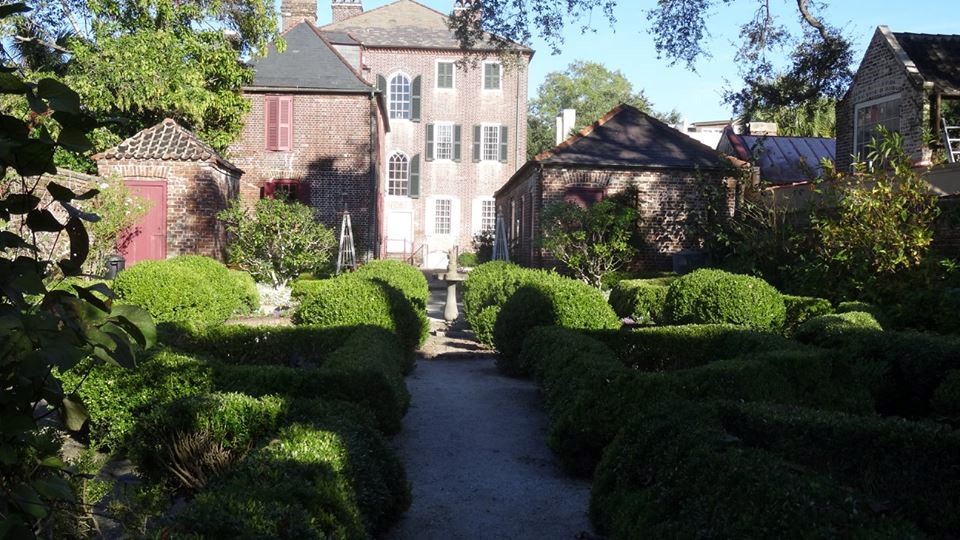 |
| Garden and rear |
I wrote about the Aiken Rhett House in another blog, as an example of preservation instead of restoration. The goal is to show the original house as much as possible. It was built around 1820 and passed down through family members for 145 years. One of the most interesting aspects of this house tour is the life of the urban slaves who worked here. The two prominent outbuildings are the kitchen/laundry and the stables/carriage house. Twelve or fifteen slaves lived and toiled here.


At the opposite end of the spectrum is the Nathaniel Russell House, built in the late 1700s by one of the wealthiest planters and merchants in Charleston. It is beautifully restored to the state of luxury and grandeur that one of America’s wealthiest families of the 18th century enjoyed.
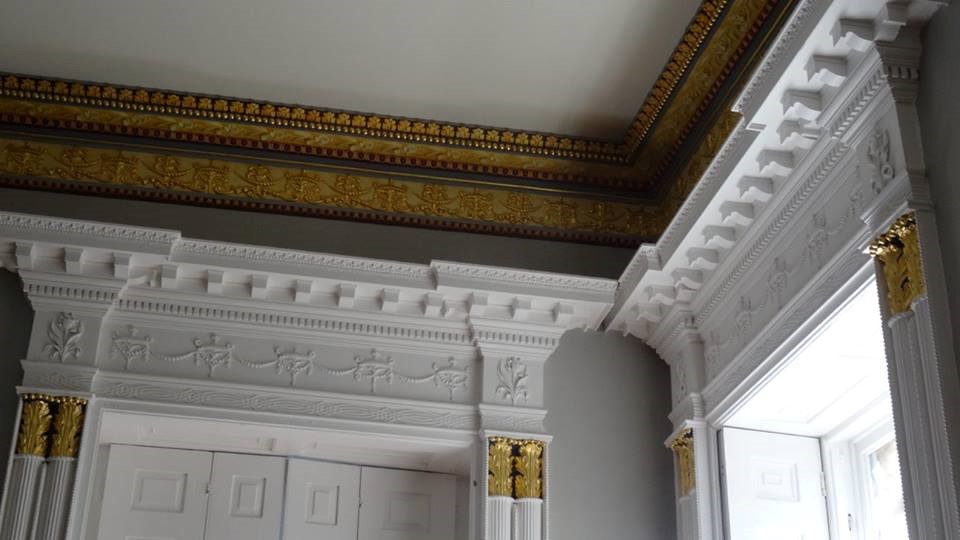

These are just a few of the impressive house museums open to you when you visit Charleston. Don’t miss them!


