By Jeff Burns
My
wife and I made a quick trip to New York City during winter break, and since it
was February, we decided to make it as indoors as possible, concentrating on
museum visits. We got a good deal on a hotel on 7th Avenue, near
Times Square and conveniently located near several subway stops. After checking in, we headed to the legendary
Katz's Deli, a NYC institution since 1888, made famous in television shows and
movies like When Harry Met Sally. It’s an icon. You have to go there
once. Honestly, I’ve had better - and worse - deli food, but it’s an
experience. Like everything else in the
city, it’s claustrophobically crowded, and they use a unique, maybe confusing,
system that you have to puzzle through.
You’re given a ticket upon entry and you line up at a carving station to
order your sandwich. If you want sides and drinks, you line up at other
stations. Your orders get marked on your
ticket, and then you try to find a table, elbow to elbow with other patrons. Cash
only. I don’t know that we’ll ever go back, but we can say that we’ve done it.
Our
first museum was the 9/11 Memorial and Museum. It was kind of a conscious decision to do this first,
because we knew that it would make a powerful impact, and it certainly
does. The only place that I can compare
it to in terms of the somber tone and mood is the United States Holocaust
Museum. Be prepared. Every exhibit is incredibly effective at
being affective. The attacks and their
aftermath are personalized by the informative and tastefuly done displays. Lines can be long, but you can purchase
advance tickets online.
Next,
it was off to the Lower East Side, neighborhoods full of history as they were
occupied by successive waves of immigrants who made the area their home,
Germans then Russian Jews and Eastern Europeans, Italians, Portuguese,
Hispanics, Chinese, etc. The place to
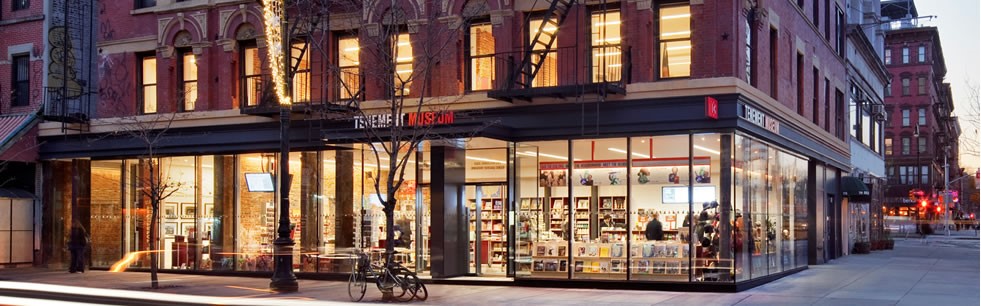
start is the Lower East Side Tenement Museum where a former tenement, occupied for over a century until
the 1880s, has been restored to represent different stages of its use. The building itself is only accessible
through guided tours, and this is the only downside. In order to see everything, you have to take
every tour. However, we resolved to make it a point to return on every future
trip to New York in order to do just that. We took the longest tour, the
shopkeepers tour. It started in the lower floor saloon and apartments that
belonged to a German family, and we learned about the family, their German
neighbors, and their contributions to American culture. The tour ended with one of the coolest
interactive artifacts displays I’ve ever seen in a museum. The gift shop is a must-see as well. I wanted
to read practically every book on sale, and there were hundreds of titles. Be sure to check out their website before
going. They have walking tours of the neighborhood, special events, and
extended hours on Thursdays. You can
purchase tickets in advance and get discounts for booking multiple tours. (Also, teachers get a tour discount – which
we only learned about afterwards.)

A
few blocks away is a quiet little museum that is well worth a visit, the Museum
at Eldridge. It is a beautifully
restored Orthodox synagogue built by Russian Jews in the late 1800s. It is still
used for services by its small congregation, but it is open for tours conducted
by volunteers during the week. The interior is beautiful, and David, our guide,
was full of information. I highly
recommend seeing it if you get the chance.
And
while you’re in the area, take some time to just walk around and think about
the changes the area has seen. It is a
huge melting pot of ethnicities, as Chinatown and Little Italy are literally
side by side. Now, it’s the hottest area
of Manhattan, and we were told that it’s the hippest place to be, especially at
night, and those small 350 square feet tenement apartments that housed families
seeking the American dream now might rent for as much $4000 a month. While you’re exploring, we highly recommend
meals at the oldest dim sum restaurant in NYC, the Nom Wah Tea Parlor (cash or Amex only),
and have a nosh, a meal, and an egg cream at Russ & Daughters, another iconic deli over a century old, albeit the café
in this neighborhood is only a couple of years old. There’s just too much to do. We’re already planning future trips!
By Jeff Burns
 One hundred fifty years ago, there wasn’t much to
Tampa Florida. It consisted of a few
hundred people looking to scratch out a living the best way they could. However, in the late 1800s, things started
coming together. Henry Plant, an eastern
railroad magnate saw the potential Tampa had:
a natural harbor and nice climate, so he built railroads connecting the
region to the north. Then, a visionary
named Vincente Martinez-Ybor saw the potential and built the city on
cigars. That’s the story I learned from
taking a history and food walking tour of Ybor City, the core of historic
Tampa. The tour is one of several tours
offered by Ybor City Food Tours
.
One hundred fifty years ago, there wasn’t much to
Tampa Florida. It consisted of a few
hundred people looking to scratch out a living the best way they could. However, in the late 1800s, things started
coming together. Henry Plant, an eastern
railroad magnate saw the potential Tampa had:
a natural harbor and nice climate, so he built railroads connecting the
region to the north. Then, a visionary
named Vincente Martinez-Ybor saw the potential and built the city on
cigars. That’s the story I learned from
taking a history and food walking tour of Ybor City, the core of historic
Tampa. The tour is one of several tours
offered by Ybor City Food Tours
.
 Vincente
Martinez-Ybor was a Cuban cigar maker, born in Spain, who purchased swamp land
and transformed it into the world’s largest cigar company and a thriving community that may well have
been the greatest example ever of an American melting pot. Workers and came from around the world and
lived, worked, and socialized in Ybor City. Many think of Ybor City as a Cuban
enclave, but there were not only Cubans, but also Spaniards, Italians,
Sicilians, Germans, Romanians, and Americans, black and white, among others who
built the city.
Vincente
Martinez-Ybor was a Cuban cigar maker, born in Spain, who purchased swamp land
and transformed it into the world’s largest cigar company and a thriving community that may well have
been the greatest example ever of an American melting pot. Workers and came from around the world and
lived, worked, and socialized in Ybor City. Many think of Ybor City as a Cuban
enclave, but there were not only Cubans, but also Spaniards, Italians,
Sicilians, Germans, Romanians, and Americans, black and white, among others who
built the city.
 Our
tour was the Original Ybor City Food Tour, billed as a two-hour tour that
lasted closer to three. Along with
learning the history of Ybor City, we enjoyed special treats in various
restaurants along the route. It’s kind
of like a progressive dinner. We started
with chicken wings at the Tampa Bay Brewing Company, then a huge slice of
cheese pizza at New York, New York Pizzeria, a Cuban sandwich (voted best Cuban
from Miami to Tampa multiple times – and it has my vote), black beans and rice
at Gaspar’s Grotto, and key lime pie from Green Iguana and Cuban coffee at
Nicahabana Cigars, one of a dozen or so traditional hand-rolled cigar shops
still operating in Ybor City. Like most
of the cigar shops, Nicahabana offers Cuban coffee and espressos. (Unfortunately, their machine was out of
order when we were there, so no coffee.) The food was fantastic at every stop,
and we were all more than satisfied.
Our
tour was the Original Ybor City Food Tour, billed as a two-hour tour that
lasted closer to three. Along with
learning the history of Ybor City, we enjoyed special treats in various
restaurants along the route. It’s kind
of like a progressive dinner. We started
with chicken wings at the Tampa Bay Brewing Company, then a huge slice of
cheese pizza at New York, New York Pizzeria, a Cuban sandwich (voted best Cuban
from Miami to Tampa multiple times – and it has my vote), black beans and rice
at Gaspar’s Grotto, and key lime pie from Green Iguana and Cuban coffee at
Nicahabana Cigars, one of a dozen or so traditional hand-rolled cigar shops
still operating in Ybor City. Like most
of the cigar shops, Nicahabana offers Cuban coffee and espressos. (Unfortunately, their machine was out of
order when we were there, so no coffee.) The food was fantastic at every stop,
and we were all more than satisfied.